Introduction
For centuries, humans have dreamed of machines that could operate independently — making decisions, performing tasks, and solving complex problems on their own. Today, that vision is no longer confined to science fiction. It is a reality powered by Autonomous Systems, one of the most advanced and impactful technological domains of the 21st century.
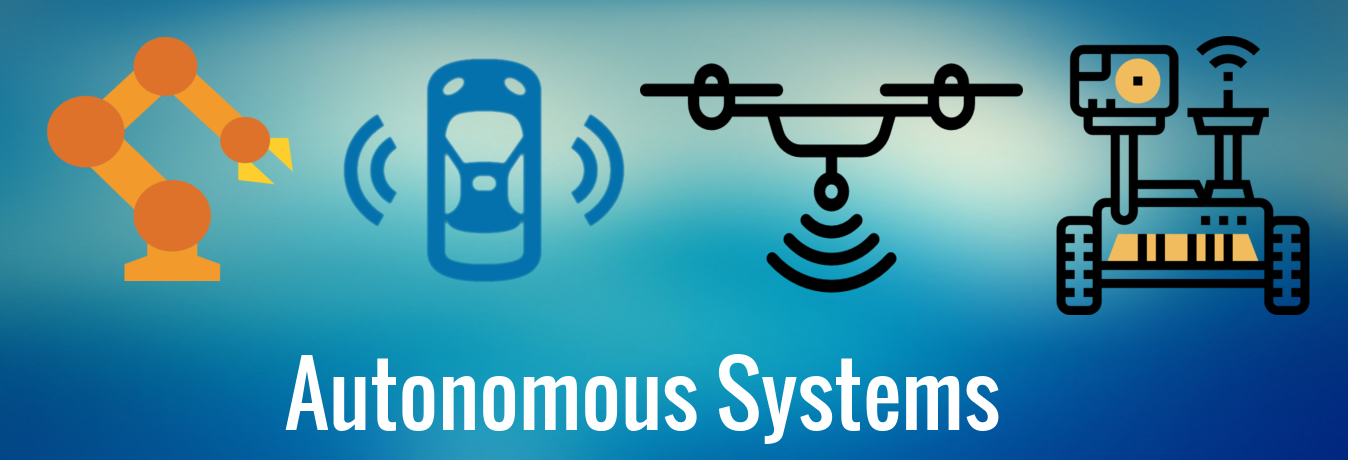
From self-driving cars and warehouse robots to smart drones and automated manufacturing plants, autonomous systems are rapidly transforming industries, economies, and human lifestyles. They combine artificial intelligence (AI), machine learning, robotics, sensors, and real-time decision-making to work with minimal (or zero) human intervention.
This article explores the foundations of autonomous systems, their components, types, applications, benefits, challenges, ethical concerns, future trends, and how they are reshaping the future of work and society.
What Are Autonomous Systems?
An Autonomous System (AS) is any machine, software, or combination of hardware and software that can perform tasks independently based on perception, reasoning, and decision-making capabilities — without direct human control.
In simple terms, autonomous systems can:
- Sense their environment
- Analyze data
- Make decisions
- Act on those decisions
- Learn and improve over time
Autonomy ranges from basic automation to fully self-governing systems capable of adapting to unpredictable environments.
Key Characteristics
- Self-governance
- Perception and sensing
- Real-time decision-making
- Adaptability and learning
- Safety and reliability
- Minimal human intervention
How Autonomous Systems Work
Autonomous systems are built using a layered architecture combining hardware, AI algorithms, and control mechanisms. The core components include:
1. Sensors and Perception
Autonomous systems rely on multiple sensors to understand their surroundings:
- Cameras (visual data)
- LiDAR (3D environment scanning)
- Radar (distance and speed detection)
- Ultrasonic sensors (short-range sensing)
- GPS and IMU (position tracking)
- Temperature and pressure sensors
Sensor fusion techniques combine data from various sources to create a coherent understanding of the environment.
2. Data Processing and Mapping
Sensors generate huge amounts of raw data. Autonomous systems use:
- SLAM (Simultaneous Localization and Mapping)
- 3D modeling
- Real-time mapping algorithms
These allow systems to build accurate, dynamic maps of their surroundings.
3. Decision-Making and AI Algorithms
This is the “brain” of autonomy.
Algorithms used:
- Machine Learning Models
- Deep Learning (CNNs, RNNs, Transformers)
- Path Planning Algorithms
- Behavioral Cloning
- Predictive Analytics
- Reinforcement Learning
Through continuous learning, systems improve accuracy and adapt to new environments.
4. Motion Control and Actuation
After making decisions, autonomous systems convert them into actions:
- Steering
- Acceleration and braking (in vehicles)
- Robotic arm movement
- Drone flight control
This layer ensures smooth, safe, and accurate motion.
5. Communication Systems
Autonomous systems often communicate with:
- Other machines (V2V communication)
- Cloud servers
- Edge devices
- Humans (through interfaces)
These connections enable updates, coordination, and remote monitoring.
6. Safety and Redundancy Mechanisms
Every autonomous system has fail-safe mechanisms that prevent accidents, shutdowns, or incorrect actions.
Types of Autonomous Systems
Autonomous systems come in various forms depending on their environment and capabilities.
1. Autonomous Vehicles
Includes:
- Self-driving cars
- Autonomous trucks
- Robo-taxis
- Driverless shuttles
- Self-navigating ships
These systems navigate roads or waters without human drivers using AI, sensors, and maps.
2. Autonomous Robots
Used in:
- Warehouses
- Manufacturing
- Healthcare
- Hospitality
Examples:
- Amazon warehouse robots
- Surgical robots
- Service robots in hotels
3. Autonomous Drones
Drones that operate independently for:
- Surveillance
- Delivery
- Farming
- Disaster response
- Mapping
Drones can take off, land, avoid obstacles, and complete missions autonomously.
4. Autonomous Industrial Systems
Industrial automation systems that:
- Monitor equipment
- Detect failures
- Optimize production
- Manage energy usage
These systems are common in smart factories (Industry 4.0).
5. Autonomous Software Systems
These are not physical machines, but software capable of independent operations:
- Chatbots
- Trading algorithms
- Autonomous cybersecurity systems
- Self-managing cloud systems
6. Autonomous Military Systems
Includes:
- Defense drones
- Automated surveillance systems
- Smart weapon systems (with strict ethical controls)
7. Autonomous Home Systems
Such as:
- Robot vacuum cleaners
- Smart thermostats
- Home assistants
- Automated security systems
Levels of Autonomy
Autonomy exists on a spectrum, especially in systems like vehicles.
Level 0 — No autonomy
User controls everything.
Level 1 — Assistive automation
Features like cruise control.
Level 2 — Partial automation
The system can steer and accelerate but needs constant supervision.
Level 3 — Conditional automation
The system can drive itself under certain conditions.
Level 4 — High automation
Fully autonomous in specific environments.
Level 5 — Full automation
No human intervention required; works in all environments.
Applications of Autonomous Systems
The impact of autonomous systems spans across industries. Below are some of the most important applications:
1. Transportation
Autonomous vehicles revolutionize mobility by reducing:
- Human error
- Traffic congestion
- Carbon emissions
Use cases:
- Self-driving taxis
- Autonomous public buses
- Automated parking systems
- Smart traffic management
Companies such as Tesla, Waymo, and Cruise are leading the transformation.
2. Manufacturing and Industry (Industry 4.0)
Factories use autonomous systems to:
- Automate assembly lines
- Inspect quality
- Manage logistics
- Predict equipment failures
Robots and automated systems increase productivity and safety.
3. Agriculture
Autonomous farming tools include:
- Self-driving tractors
- Crop-monitoring drones
- AI-powered irrigation systems
- Autonomous harvesters
These technologies increase yield and reduce labor dependency.
4. Healthcare
Autonomous systems contribute to:
- Robotic surgery
- Medication delivery robots
- AI-based diagnosis
- Remote patient monitoring
Hospitals use autonomous tools to reduce workload and improve care quality.
5. Logistics and Warehousing
Amazon-style fulfillment centers use:
- Autonomous mobile robots (AMRs)
- Automated guided vehicles (AGVs)
- Robotic picking systems
These systems streamline inventory handling and minimize human labor.
6. Defense and Security
Autonomous technologies enhance surveillance, reconnaissance, and response systems. Examples:
- Patrol robots
- Surveillance drones
- Autonomous border monitoring
Strict ethical and legal controls are crucial in this domain.
7. Smart Cities and Infrastructure
Autonomous systems monitor:
- Air quality
- Traffic flow
- Waste management
- Energy consumption
Cities become safer and more sustainable through automation.
8. Retail
Autonomous robots and systems perform:
- Shelf scanning
- Stock management
- Customer assistance
Stores like Amazon Go rely on autonomous perception systems for cashier-less shopping.
Benefits of Autonomous Systems
Autonomous systems offer significant advantages across multiple dimensions.
1. Increased Efficiency
They perform repetitive and complex tasks faster and more accurately than humans.
2. Enhanced Safety
Machines can operate in hazardous environments such as:
- Mines
- Nuclear plants
- War zones
Reducing risk to human life.
3. Cost Savings
Automation reduces labor costs and increases operational efficiency, leading to long-term savings.
4. Improved Accuracy and Quality
Autonomous systems minimize human error — essential for:
- Surgery
- Manufacturing
- Financial trading
5. Scalability
Autonomous systems can operate 24/7 without fatigue, enabling large-scale operations.
6. Data-Driven Decisions
AI-powered autonomy leverages real-time data to make optimal decisions, improving outcomes.
7. Environmental Sustainability
Precision agriculture and smart navigation reduce waste, emissions, and resource consumption.
Challenges and Limitations
Despite rapid growth, autonomous systems face significant challenges:
1. Technical Complexity
Developing reliable autonomous systems requires:
- Huge datasets
- Advanced AI algorithms
- Accurate sensors
Even small errors can lead to failure.
2. Safety and Reliability
Autonomous systems must handle unpredictable real-world scenarios — a major challenge in self-driving cars.
3. Ethical and Legal Issues
Key concerns include:
- Liability in case of accidents
- Privacy concerns
- Potential misuse in military systems
- Job displacement
4. High Development Costs
Sensors, GPUs, training infrastructure, and testing environments can be expensive.
5. Security Risks
Autonomous systems can be vulnerable to:
- Cyberattacks
- Sensor spoofing
- Data manipulation
Securing autonomy is a top priority.
6. Public Acceptance
People may mistrust fully autonomous systems, especially in transportation and healthcare.
Ethical Considerations
Autonomous systems come with ethical responsibilities.
Questions to consider:
- Who is responsible if an autonomous vehicle causes an accident?
- How can we ensure that AI does not discriminate or cause harm?
- What limits should be placed on autonomous weapons?
- How much autonomy should we give machines over human decisions?
Ethical frameworks, government regulations, and AI transparency efforts are crucial for responsible deployment.
Future of Autonomous Systems
The future of autonomous systems is incredibly promising. Emerging trends include:
1. Fully Autonomous Vehicles
Level 5 autonomy may become mainstream, enabling:
- Robo-taxis
- Driverless trucks
- Autonomous public transportation
2. Autonomous Swarms
Drone and robot swarms will collaborate like colonies:
- Search and rescue operations
- Military defense
- Environmental monitoring
3. AI + Edge Computing Integration
This reduces latency and increases real-time responsiveness — essential for:
- Robots
- Self-driving cars
- Drones
4. Human–Robot Collaboration (Cobots)
Future workplaces will feature robots working safely alongside humans, improving productivity.
5. Autonomous Healthcare Systems
AI-driven robots will perform:
- Diagnostics
- Surgery assistance
- Elderly support
- Pharmacy automation
6. Smart Homes and Cities
Autonomy will integrate seamlessly into:
- Energy systems
- Transportation
- Security
- Governance
7. Space Exploration
NASA and ISRO are investing in autonomous rovers, satellites, and spacecraft for deep space missions.
8. Economic Transformation
Autonomous systems will create new industries, while transforming:
- Logistics
- Transportation
- Agriculture
- Healthcare
New jobs will emerge in fields like AI ethics, robot maintenance, and data science.
Conclusion
Autonomous systems are ushering in a new era of technological advancement where machines can independently sense, decide, act, and learn. Their impact spans across industries, improving efficiency, safety, and sustainability. While challenges remain — such as ethics, safety, and public trust — continued innovation promises a future where autonomous systems become deeply integrated into everyday life.
From self-driving cars and intelligent drones to automated factories and smart cities, autonomous systems are shaping the future of humanity. The world is moving toward a hybrid society where humans and intelligent machines collaborate to create unprecedented opportunities for growth and progress.